

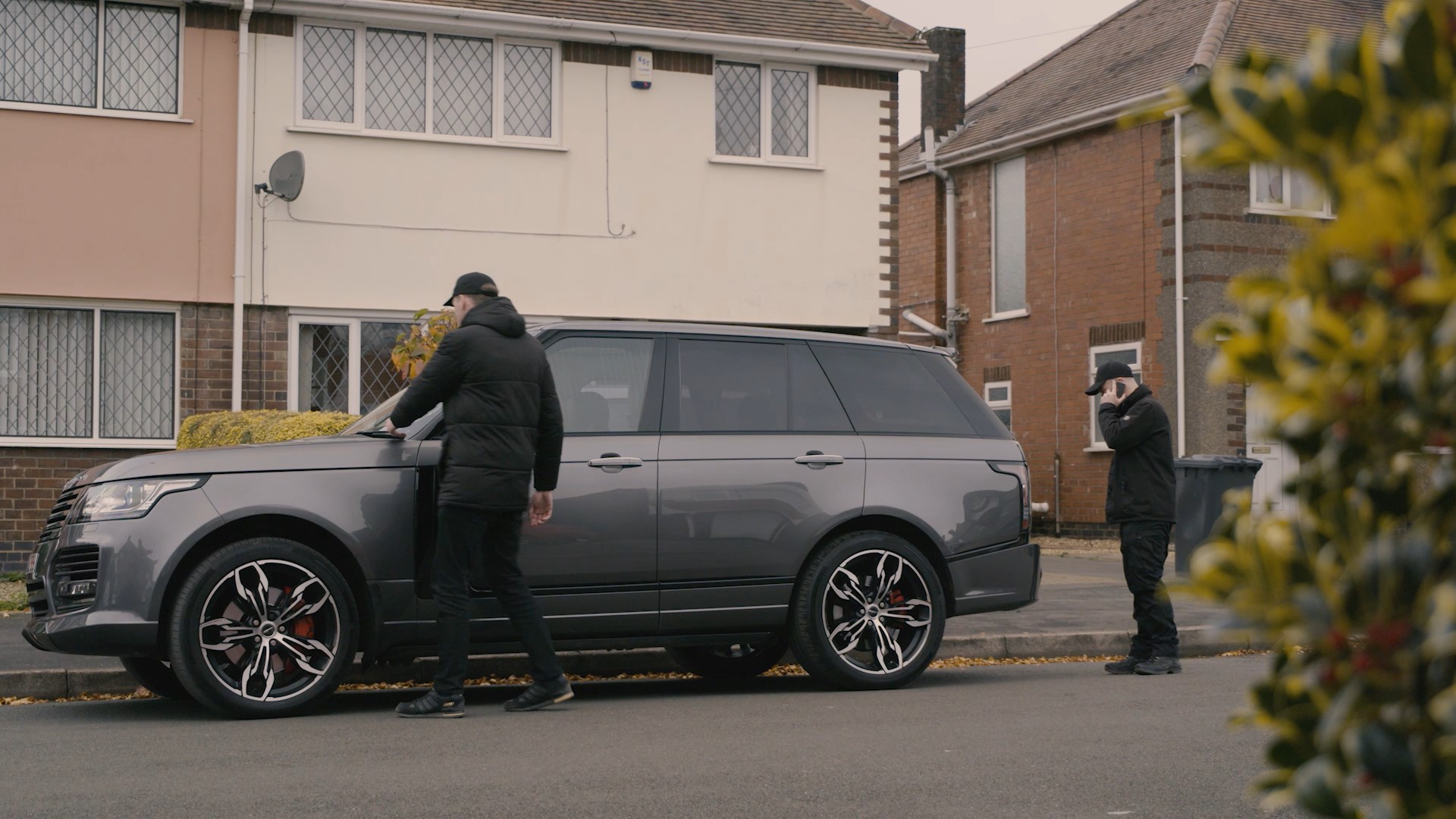
What Actually Happens When Your SmarTrack S5 Detects a Theft?
Most of the time, your vehicle tracker stays quietly out of sight. You do not hear from the monitoring team, no alerts are generated and your vehicle remains exactly where you left it.
That is precisely how it should be.
But when a vehicle begins moving without its recognised Driver Detection device, an entire theft response process can begin behind the scenes. An alert is sent to the Global Telemetrics Secure Control Centre, the customer is contacted and, when a theft is confirmed and reported to the police, the vehicle recovery process begins.
A SmarTrack S5 is therefore much more than a dot on a map. It combines Driver Detection, 24-hour professional monitoring and the support of Global Telemetrics’ Repatriations Team who will liaise directly with the police.
In brief: When a SmarTrack S5 detects movement without the recognised Driver Detection device, it generates an alert for the Secure Control Centre. The team contacts the customer to establish whether the vehicle is safe. If theft is confirmed, the customer reports it to the police and obtains a Crime Reference Number. Global Telemetrics then mobilise their dedicated Repatriation Team who will liaise directly with the police.
The journey at a glance:
Vehicle moves → Driver Detection is missing → Alert generated → Secure Control Centre investigates → Customer contacted → Theft confirmed → Repatriations Team deployed → Team liaise with the police → Vehicle located and secured → Customer updated
How Does a SmarTrack S5 Detect a Possible Vehicle Theft?
A SmarTrack S5 tracker uses Driver Detection to check whether an authorised Driver Detection method is present when the vehicle is being used.
Depending on the SmarTrack product and configuration, Driver Detection may operate through a physical Driver Detection card or tag, or through the D-iD™ smartphone-based system via the GTE Track app. If the vehicle moves without the relevant Driver Detection device being recognised, an alert will be generated for the Global Telemetrics Secure Control Centre.
It is important to understand that the tracker does not simply declare that a vehicle has been stolen. There may be an innocent explanation, such as the owner leaving their Driver Detection card at home or forgetting to switch it on.
Instead, the system identifies activity that needs investigating. A trained member of the monitoring team then checks whether the vehicle should be moving.
That human verification is an important part of the process.
- What Happens When the Vehicle Moves Without Its Recognised Driver?
Imagine that your vehicle is parked on your driveway overnight.
A thief gains access and begins driving it away. The keys may have been taken, cloned or bypassed, but the Driver Detection device remains safely with you inside your home.
As the vehicle moves, the SmarTrack S5 checks for the recognised Driver Detection device. When the system cannot detect it, the movement is treated as potentially unauthorised.
The same principle can apply when a vehicle is moved in other suspicious circumstances. Depending on the product and alert configuration, the Secure Control Centre will also receive notifications relating to movement without the ignition being used or disconnection of the vehicle battery.
At this stage, the system has identified that something may be wrong but the situation still needs to be verified.
- How Is a SmarTrack S5 Theft Alert Generated?
When the SmarTrack S5 detects that the vehicle is moving without the required Driver Detection device, an alert is transmitted to the monitoring system.
This is one of the main differences between an S5 tracking system and a basic consumer GPS tracker.
A basic tracker may allow someone to open an app and look at a location. A monitored S5 system adds an active response. It brings the unusual movement to the attention of people who can investigate it, rather than relying entirely on the owner noticing that the vehicle has gone missing.
SmarTrack stolen vehicle tracking systems are monitored by the Global Telemetrics Secure Control Centre 24 hours a day, 365 days a year.
That means an alert generated late at night, early in the morning, at the weekend or on a bank holiday can still be reviewed.
- What Does the Secure Control Centre Do After Receiving an Alert?
Once the alert reaches the Secure Control Centre, the monitoring team begins investigating.
The first job is to establish whether there is a genuine security incident or an innocent explanation. The vehicle could have been taken without permission, but the authorised driver may also have forgotten their Driver Detection card or left their phone behind.
The monitoring team uses the available alert information and account details to decide on the appropriate next step. In a Driver Detection situation, this will normally involve contacting the registered customer or another approved contact.
This verification process helps the team distinguish a genuine theft from an accidental alert without losing valuable time.
- How Does Global Telemetrics Contact the Customer?
The Secure Control Centre will attempt to contact the customer to confirm whether the vehicle should be moving.
The question is straightforward: Is your vehicle safe?
Sometimes the answer is yes. The customer may be driving but has forgotten their Driver Detection card, left their phone at home or failed to switch the card on.
Sometimes the call is the first indication that the vehicle has been taken.
Where necessary, Global Telemetrics may also attempt to contact approved contacts registered on the account. If the team cannot reach the customer or an approved contact, it may leave voicemail messages and send text messages. This is why keeping contact details up to date and registering more than one suitable contact is so important.
For the person receiving the call, it may be an alarming moment. For the monitoring team, however, it is a process they are trained to manage calmly and methodically.
- What Happens When the Customer Confirms the Vehicle Has Been Stolen?
Once the customer confirms that the movement is unauthorised, the incident moves from an unverified alert to a suspected vehicle theft.
The theft must be reported to the police as soon as possible. The customer will need to obtain a Police Crime Reference Number or incident number and provide the relevant details to Global Telemetrics so that the formal recovery process can proceed.
This is an important distinction for customers to understand:
The S5 alert does not automatically replace the need to report the crime. The registered keeper should still contact the police, explain that the vehicle has been stolen and obtain the required reference number.
Alternatively, the customer may discover the theft before an automated alert leads to contact. In that situation, they should report the theft to the police and then contact the dedicated Global Telemetrics theft team with their account and Crime Reference Number details.
- How Does Global Telemetrics Work With the Police?
After the theft has been reported and the required information has been provided, Global Telemetrics can begin mobilsing their Repatriation Team who will liaise with the police directly.
Tracking information can help indicate where the stolen vehicle is travelling or where it has stopped. However, recovering a stolen vehicle safely involves more than sending a location to the owner.
Global Telemetrics works with recovery agents who operate alongside the police to help locate and secure stolen vehicles. The circumstances of each theft will determine what happens next. A vehicle that has been abandoned in a public car park may require a different response from one that is moving at speed or has been taken to a suspected organised crime location.
The priority is to support a safe, controlled recovery rather than encouraging the customer to confront whoever may have the vehicle.
- What Does the Global Telemetrics Repatriations Team Do?
The Repatriations Team provides the physical, on-the-ground element of the recovery process.
Where appropriate, team members can travel towards the location supplied by the tracking system, work alongside the police and help secure the stolen vehicle. They may remain with the vehicle until the police arrive or until the appropriate collection or recovery arrangements can be made.
This is a significant part of the service because finding a vehicle on a map and safely securing it are two very different things.
A stolen vehicle may have been:
- Left in an unfamiliar residential area.
- Parked in a public car park.
- Hidden inside a building or compound.
- Taken to a suspected chop shop.
- Moved across several police force areas.
- Abandoned with broken windows or other damage.
The Repatriations Team brings experience of real theft situations and can help manage the practical steps once tracking information has identified the vehicle’s location.
You can see our Repatriation Team in action with Mark McCann here – https://www.youtube.com/watch?v=ggGmHMELqt0&t=2392s
- Why Might App Access Be Disabled During a Live Theft?
Customers are sometimes surprised to discover that access to vehicle location information may be temporarily restricted after a theft is reported.
This is a safety measure.
During an active theft investigation, Global Telemetrics may temporarily disable access to the app and will not provide the customer with the exact location of the stolen vehicle. The intention is to prevent the owner from travelling to the location, confronting a suspected thief or unintentionally interfering with police and recovery activity.
Although it can be difficult to know that your vehicle has been located without being told precisely where it is, withholding the location protects the customer and gives the recovery team space to manage the incident.
Owners should never attempt to recover a stolen vehicle themselves.
- What Happens When the Stolen Vehicle Is Located?
Locating the vehicle is a major step, but it does not always mean the incident is immediately over.
The Repatriations Team or police may need to assess the situation before approaching. They may need to establish whether anyone is still with the vehicle, whether it is moving again or whether the location presents additional risks.
Once it is safe to do so, the vehicle can be secured.
Depending on the circumstances, the police may want to examine it, arrange recovery or retain it temporarily as part of their investigation. In other cases, collection may be possible once the vehicle has been confirmed as safe.
Throughout this stage, the customer should continue following instructions from Global Telemetrics and the police rather than making their own way to the tracking location.
- How Is the Customer Told That the Vehicle Has Been Recovered?
Once the vehicle has been secured, Global Telemetrics contacts the customer with an update.
The owner can then be advised about the next steps and, where appropriate, make arrangements to collect the vehicle. The precise process will depend on the condition of the vehicle, its location and any instructions from the police.
For some customers, the vehicle may be ready for collection relatively quickly. For others, it may need to be moved to a secure location, examined by the police or recovered by a specialist company.
Either way, the important point is that the customer is not left to manage the incident alone. The Secure Control Centre, police and Repatriations Team each play a different role in moving the situation from the first alert towards a safe recovery.
What Does a SmarTrack S5 Recovery Look Like in Real Life?
A recovery reported by Global Telemetrics in June 2026 provides a useful example of the process in action.
A customer’s Volkswagen Golf was stolen from their driveway at approximately 1:40 a.m. The vehicle’s SmarTrack S5 generated an alert because it was being driven without its Driver Detection card.
The Secure Control Centre contacted the customer, who confirmed that the Golf had been stolen. The Repatriations Team was deployed and reached the vehicle’s location within 18 minutes.
The example demonstrates the value of combining Driver Detection, professional monitoring and an on-the-ground recovery response.
However, every theft is different. Recovery times and outcomes depend on factors including the vehicle’s movement, its location, network availability, police involvement and the circumstances surrounding the incident. No tracking provider can guarantee that every stolen vehicle will be located or recovered within a specific period.
What Should You Do If You Think Your SmarTrack-Protected Vehicle Has Been Stolen?
If you discover that your vehicle is missing, remain calm and do not attempt to track down or confront the people who may have taken it.
You should:
- Contact the police and report the vehicle as stolen.
- Obtain a Crime Reference Number or incident number.
- Contact the Global Telemetrics theft team and provide your customer and police reference details.
- Follow the instructions given by the monitoring team and police.
- Do not travel to the vehicle’s suspected location yourself.
Customers should also keep their telephone numbers, approved contacts and vehicle information up to date. This helps the Secure Control Centre reach the right people quickly when an alert is generated.
Why Is Driver Detection So Important During a Vehicle Theft?
Driver Detection helps identify unauthorised vehicle movement even when the thief has managed to start and drive the vehicle.
An ordinary alarm may be bypassed, ignored or silenced. The owner may also be asleep, at work or away from the vehicle and therefore unaware that it has moved.
A SmarTrack S5 does not need to wait for the owner to notice an empty parking space. If the vehicle is moved without the recognised Driver Detection device, the system can generate an alert for investigation.
That early warning can reduce the amount of time between the vehicle being taken and the recovery process beginning.
Is a SmarTrack S5 Just a GPS Tracker?
No. A SmarTrack S5 is not simply a consumer device that shows the owner where their vehicle was last seen.
The service combines several elements:
- Driver Detection technology.
- Professionally installed tracking hardware.
- Alerts relating to suspicious vehicle activity.
- Monitoring by the Global Telemetrics Secure Control Centre.
- Customer verification.
- Mobilise the Repatriations Team.
- Police liaison.
This combination of technology and human response is what turns location data into a managed stolen vehicle recovery service.
Frequently Asked Questions About SmarTrack S5 Theft Alerts
Does every SmarTrack S5 alert mean the vehicle has been stolen?
No. An alert may be generated because the vehicle is moving without the Driver Detection card, tag or smartphone being recognised. This can happen if an authorised driver forgets the device or leaves it switched off. The Secure Control Centre contacts the customer to establish whether the vehicle is safe.
What happens if I forget my Driver Detection card?
The Secure Control Centre may contact you or another approved contact to confirm the vehicle’s status. You should explain that you are the authorised driver and that the vehicle is safe. Carrying and correctly using the Driver Detection device helps prevent unnecessary alerts.
Does Global Telemetrics automatically report the theft to the police?
The customer should report the theft to the police and obtain a Crime Reference Number or incident number. Once those details are supplied, Global Telemetrics can liaise with the police and coordinate the appropriate recovery response.
Can I see the location of my stolen vehicle in the app?
App access may be temporarily disabled during an active theft investigation. Global Telemetrics does not provide customers with the vehicle’s exact location when doing so could encourage them to attempt their own recovery and place themselves at risk.
Will the Repatriations Team collect my vehicle?
The Repatriations Team can help attend, locate and secure stolen vehicles while working alongside the police. What happens after the vehicle is secured will depend on the theft, the vehicle’s condition, police requirements and the customer’s recovery arrangements.
How quickly can a SmarTrack S5 recover a stolen vehicle?
There is no guaranteed recovery time. Some vehicles are located very quickly, while others require a longer investigation. The result depends on factors such as vehicle movement, signal availability, location, police response and the circumstances of the theft.
Does a SmarTrack S5 automatically immobilise the vehicle?
Not every SmarTrack S5 product includes remote immobilisation. Certain S5 models may support immobilisation at police request, subject to the product’s specification, the vehicle being stationary and the necessary authorisation being received.
Can a SmarTrack S5 detect if my vehicle is being towed?
S5 systems can support movement alerts when a vehicle moves without the ignition being used, such as when it is towed or placed on a trailer. The available alerts depend on the installed product, its configuration, connectivity and the circumstances of the movement.
The People Behind Your SmarTrack S5 Make the Difference
When you look at a SmarTrack S5 tracker, it is easy to focus on the hardware hidden somewhere inside the vehicle.
But the device is only one part of the protection.
Behind every monitored system is the Global Telemetrics Secure Control Centre, operating around the clock to investigate alerts and contact customers. When a theft is confirmed, the police and Repatriations Team can become part of a coordinated effort to locate and safely secure the vehicle.
The complete journey is:
The tracker detects unusual movement. The Secure Control Centre verifies the situation. The customer reports the theft. Global Telemetrics mobilise their Repatriations Team who liaise with the police to help secure the vehicle. The customer is kept informed.
That is what happens behind the scenes when a SmarTrack S5 detects a possible theft and it is why professional monitoring matters just as much as the tracker itself.
Explore the SmarTrack S5 range and discover how Driver Recognition, 24/7 monitoring and specialist recovery support can help protect your vehicle when it matters most.